February 14, 2018;
Mother Jones,
L.A. Times, and
KGW8 News
Despite
nationwide progress in housing homeless people,
many urban and suburban areas with rapidly rising housing prices have
been overwhelmed by the number of individuals and families who have been
priced out of housing markets and are now living on streets, in parks,
under overpasses, and along riverbanks. Los Angeles, for example, has
experienced a
75 percent increase in homelessness over six years. Los Angeles County also has the highest number of unsheltered people in the country, with
three out of four living in cars, campers, tents, and other makeshift shelters.
Los Angeles County recently
evaluated an effort to provide supportive housing to homeless residents with chronic medical issues. The clear success is one of the motivators for the city and county to build
10,000 housing units for homeless Angelenos over the next decade.
There is no doubt that
rapid housing is one of the most effective solutions
to the homelessness crisis, but in overpriced cities like Los Angeles,
high costs of land and labor, along with complex regulatory processes,
lead to long delays in getting projects off the ground. Between 2008 and
2016, the
Los Angeles Times reports, “fewer than 2400 permanent supportive housing units were built.” As a result, the City Council has proposed
controversial measures
to roll back some requirements for environmental review and public
hearings for housing developments that meet certain standards.
For example, under one proposal, affordable housing projects that
would set aside half the units for currently homeless people could be
exempted from certain requirements that sometimes delay construction for
a year or more. The city would allow the developments to be higher and
denser and would waive parking requirements for the homeless units.
“Every parking space costs between $20,000 and $40,000,” according to
Ann Sewill, vice president of health and housing for the California
Community Foundation. Eliminating 100 parking spaces can save millions
of dollars, she said.
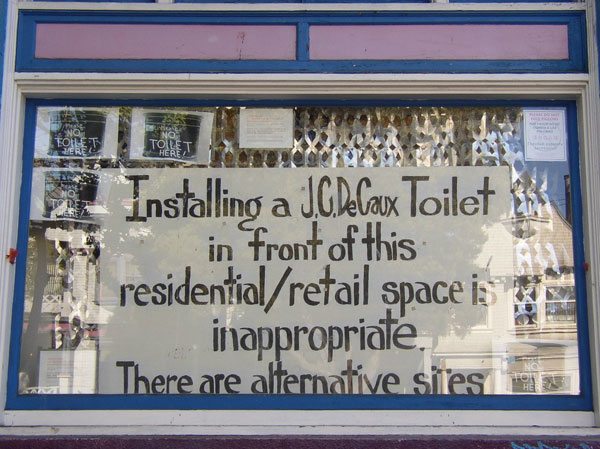
The City Council, however, is getting considerable pushback from local community groups like
Fight Back Venice. Christian Wrede, a founding member,
told the L.A. Times
that the ordinance was “anti-democratic” and would allow “powerful
politicians and developers to disenfranchise working families and get
around the requirements of the California Environmental Quality Act.”
The obstacles to action are many. As the advocacy group
Abundant Housing LA
noted in a letter to city planners. “Our politicized planning system
currently allows a few opponents to delay or halt badly needed homes
even when large majorities of voters support new housing,”
Los Angeles residents approved a $1.2 billion bond for homeless
housing construction, expressing widespread support for more affordable
housing. But that rarely means that individual residents want that
housing in their neighborhoods, creating a difficult quandary for
elected officials. The voices of the City’s nonprofits serving homeless
and poor residents are crucial in providing political leaders with the
support they need to push for long-term solutions to this long-running
crisis.
NIMBYism tends to push homeless people to the edges of affluent communities. In suburban Orange County, as many as
1,000 homeless people are camping along the Santa Ana River
after being driven away from other areas. But when the County announced
it planned to evict the campers, a lawsuit brought by the nonprofit
Orange County Catholic Worker
led to an agreement that the County would first find sufficient shelter
for the campers. The County agreed to provide vouchers for 400 motel
rooms and open another 360 shelter beds at an existing women’s shelter
and in parking lots.
The agreement—negotiated by district court judge, David
Carter—doesn’t solve the burgeoning problem of insufficient affordable
housing in the area. Said Eve Garrow, homelessness policy analyst for
the ACLU of Southern California, the area has an estimated “one shelter
bed for every two homeless people.” Judge Carter’s negotiated settlement
provides housing vouchers for only 30 days, leaving open the question
of where people will go next.
Portland, Oregon faces similar challenges.
Oregon Harbor of Hope, a nonprofit founded by local developer Homer Williams, is funding
three new initiatives
to improve the quality of life of houseless residents. The group will
be funding Portland Street Medicine, bringing a team of 70 medical
providers to care for people on the streets. In addition, in
collaboration with Union Mission Gospel, Oregon Harbor of Hope is
supporting mobile showers and laundry facilities in tractor trailer
trucks that will stop three to four days a week at schools, churches,
and homeless encampments. Finally, the nonprofit is partnering with a
student-led project called CardsCook to serve meals to disadvantaged
youth. Last year, the program, which is a partnership between Portland
Public Schools and the Oregon Foodbank, served 25,000 meals. The
students, from Lincoln High School, are hoping to expand the program to
other schools with the help of Oregon Harbor of Hope, reports local
television station
KQW8.
The Trump administration’s 2019 budget, which calls for an
$8.8 billion, or 18 percent, cut in the budget for Housing and Urban Development,
illustrates the weakness of our national commitment to solving the
problem of homelessness. Nearly 11.5 million people spend more than half
their income on rent—a twofold problem of stagnant incomes and rising
housing costs. Demanding poor people pay more—for rent, medical care,
food, and other basic goods—may sound like a solution, but it’s not one
likely to result in fewer people living and dying on American
streets.—Karen Kahn
Source
https://nonprofitquarterly.org/2018/02/20/surge-homelessness-demands-solutions/





 Posts
Posts


